
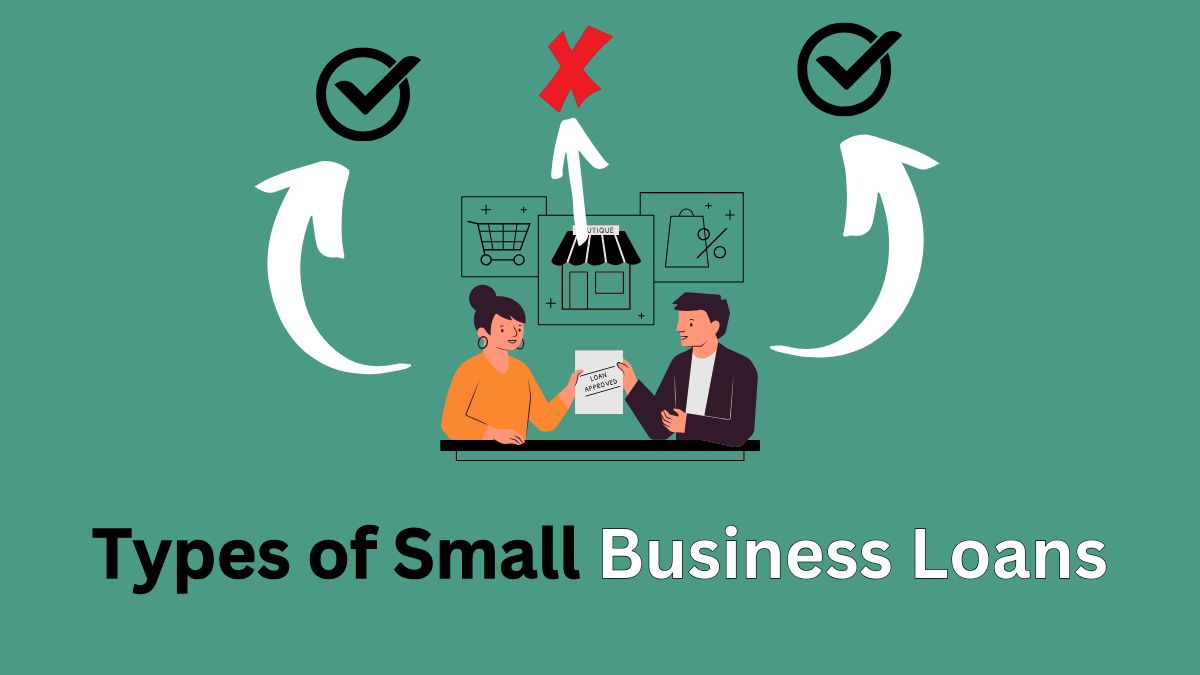
Securing the right funding is essential for any small business, whether it’s to manage daily operations, purchase new equipment, or expand into a new market. This article will guide you through the various types of small business loans, providing examples, eligibility requirements, and detailed tables for easy comparison.
Table of Contents
- Term Loans
- Business Lines of Credit
- SBA Loans
- Equipment Financing
- Invoice Financing
- Merchant Cash Advances
- Microloans
- Personal Loans for Business
- Commercial Real Estate Loans
- Loan Comparison Table
- How to Choose the Right Loan Type
- Conclusion
1. Term Loans
A term loan provides a lump sum of money that must be repaid over a set period. These loans can be short-term (up to 18 months) or long-term (over 2 years).
Best For:
- Major, one-time expenses like equipment purchases or expansion.
Pros:
- Predictable monthly payments
- Lower interest rates for long-term loans
Cons:
- Strong credit needed
- May require collateral
| Term Loan Example |
|---|
| Scenario: Julia wants to open a second bakery location. She applies for a $50,000 term loan with a 5-year term, allowing her to spread out payments and keep her monthly cash flow stable. |
2. Business Lines of Credit
A business line of credit operates similarly to a credit card, allowing flexible access to funds when you need them. You only pay interest on what you draw.
Best For:
- Covering fluctuating expenses, such as inventory or cash flow shortages.
Pros:
- Pay interest only on what you borrow
- Revolving access to funds
Cons:
- Variable interest rates
- Requires strong credit history
| Business Line of Credit Example |
|---|
| Scenario: Kevin owns a seasonal retail store and needs funds for inventory before the holiday rush. He secures a $20,000 line of credit to cover inventory costs. After the season, he repays and frees up the funds for future use. |
3. SBA Loans
SBA loans, backed by the Small Business Administration, offer low interest rates and longer terms. The SBA doesn’t provide the loan directly but guarantees a portion of it, making lenders more comfortable extending credit to small businesses.
Best For:
- Established businesses needing long-term capital at low interest rates.
Pros:
- Low-interest rates
- Favorable terms for small businesses
Cons:
- Lengthy application process
- Strict eligibility requirements
| SBA Loan Example |
|---|
| Scenario: Angela owns a small tech startup and needs $150,000 to hire more employees and expand her operations. She applies for an SBA 7(a) loan, offering her a 10-year term with a low interest rate. |
4. Equipment Financing
Equipment financing is a loan specifically used to buy equipment. The equipment itself serves as collateral, making approval easier even for newer businesses.
Best For:
- Businesses that need specific equipment or machinery to operate.
Pros:
- Easier qualification due to collateral
- Helps acquire equipment without upfront costs
Cons:
- Limited to equipment purchase
- Equipment depreciation
| Equipment Financing Example |
|---|
| Scenario: Mike owns a construction company and needs a new excavator. He takes out a $70,000 equipment loan, with the excavator as collateral. This allows him to immediately use the equipment without affecting cash flow. |

5. Invoice Financing
Invoice financing allows businesses to borrow against unpaid invoices, which helps with cash flow gaps while waiting for customer payments.
Best For:
- Businesses with frequent invoicing, especially those facing delayed payments.
Pros:
- Immediate access to cash
- Doesn’t require strong credit
Cons:
- Fees can be high
- Dependent on customers’ ability to pay
| Invoice Financing Example |
|---|
| Scenario: Sarah owns a marketing agency and is waiting for $20,000 in client payments. To cover her monthly expenses, she secures an invoice financing loan based on those unpaid invoices. |
6. Merchant Cash Advances
A Merchant Cash Advance (MCA) provides businesses with a lump sum in exchange for a percentage of future daily credit card sales, making it ideal for businesses with steady card transactions.
Best For:
- Businesses with consistent credit card sales, like restaurants and retail shops.
Pros:
- Fast access to funds
- Payments adjust with sales volume
Cons:
- High fees
- May impact cash flow
| Merchant Cash Advance Example |
|---|
| Scenario: Rebecca runs a coffee shop and needs $10,000 to renovate. She secures an MCA, repaying through a percentage of daily credit card sales. This allows her to fund renovations without taking on debt payments. |
7. Microloans
Microloans are small loans offered by non-profits or government programs, usually for newer or smaller businesses that need limited capital.
Best For:
- Startups or small businesses with minimal funding needs.
Pros:
- Accessible for new businesses
- Smaller loan amounts available
Cons:
- Higher interest rates
- Limited loan amount
| Microloan Example |
|---|
| Scenario: Carla starts a handmade soap business and needs $5,000 for initial materials and packaging. She applies for a microloan from a local non-profit focused on supporting female entrepreneurs. |
8. Personal Loans for Business
A personal loan can sometimes be used for business purposes, especially for startups with no established credit history.
Best For:
- Startups or small businesses needing small amounts of capital.
Pros:
- Fast approval
- Flexible use of funds
Cons:
- Impacts personal credit
- Often higher interest than business loans
| Personal Loan for Business Example |
|---|
| Scenario: David wants to start a small graphic design studio but lacks business credit. He takes out a $15,000 personal loan to cover equipment and rent. |
9. Commercial Real Estate Loans
Commercial real estate loans help businesses acquire or improve property. These loans are secured by the property itself.
Best For:
- Businesses wanting to buy or expand physical space.
Pros:
- Helps build property equity
- Can come with fixed or variable interest
Cons:
- Lengthy application process
- Significant down payment often required
| Commercial Real Estate Loan Example |
|---|
| Scenario: Paul owns a restaurant and wants to expand. He secures a commercial real estate loan to buy a larger property. This allows him to grow his business and own valuable real estate. |
Loan Comparison Table
To summarize the differences in these loan types, here’s a comparison table highlighting key features:
| Loan Type | Best For | Interest Rate | Repayment Term | Funding Speed | Credit Requirement |
|---|---|---|---|---|---|
| Term Loan | Large, one-time expenses | Lower | 1-10 years | Moderate | High |
| Line of Credit | Working capital | Variable | Revolving | Fast | High |
| SBA Loan | Long-term capital | Very Low | Up to 25 years | Slow | Moderate to High |
| Equipment Financing | Equipment purchases | Moderate | Matches equipment lifespan | Moderate | Low to Moderate |
| Invoice Financing | Cash flow gaps | High | Short-term | Fast | Low |
| Merchant Cash Advance | High credit card sales | High | Depends on sales | Very Fast | Moderate |
| Microloan | Small funding needs | High | 1-6 years | Moderate | Low |
| Personal Loan for Business | Small, flexible needs | High | 1-5 years | Fast | Depends on personal credit |
| Commercial Real Estate Loan | Property purchase/expansion | Low | 10-25 years | Slow | High |
Why Credit Facilities Are Essential for Small Businesses In 2024-25
How to Choose the Right Loan Type
When deciding on the right loan, consider the following:
- Purpose of Funding: If you need funding for equipment, equipment financing is ideal. If you need funds for a property, a commercial real estate loan is the best option.
- Loan Amount: For large sums, consider SBA or term loans. Microloans are ideal for small funding needs.
- Repayment Term: Longer-term loans offer lower monthly payments but can accrue more interest over time.
- Creditworthiness: SBA loans and term loans require higher credit scores, while invoice financing and merchant cash advances are accessible to businesses with less established credit.
The Latest Trends in Small Business Loans/Funding: The Future of Small Business Financing
Conclusion
Understanding the various small business loan types helps you make an informed decision for your business’s financial needs. Whether you’re covering short-term cash flow gaps or funding major expansion, there’s likely a loan that suits your needs.
Choosing the right loan involves assessing your business goals, credit history, and repayment capabilities, ensuring that your financing aligns with your business objectives.

